Ultimate Guide to Backpacking Southeast Asia
Over countless stunning landscapes and vibrant cultures, Southeast Asia offers an unparalleled backpacking experience for adventurers like you. This guide will equip you with vital tips to navigate budget travel, prepare for potential dangers, and discover the positive aspects of this enchanting region. From the bustling streets of Bangkok to the serene beaches of Bali, you’ll learn how to make the most of your journey while staying safe and enjoying every moment.
Key Takeaways:
- Plan your route carefully to make the most of your time and visit diverse countries.
- Budget for accommodation, food, and transportation to ensure a comfortable experience.
- Engage with local cultures and practices to enrich your travel experience.
Types of Backpacking Experiences
Southeast Asia offers diverse backpacking experiences that cater to various preferences. Whether you’re drawn to the thrill of adventure, seeking a deeper cultural connection, or simply wanting to relax on picturesque beaches, there’s something for every traveler. Common experiences include:
| Adventure Trekking | Beach Hopping |
| Cultural Tours | Wildlife Encounters |
| Volunteering | Food Exploration |
| Island Hopping | City Exploration |
| Yoga Retreats | Night Markets |
Perceiving these various experiences allows you to tailor your journey, ensuring it fits your personal interests and travel goals.
Trekking Adventures
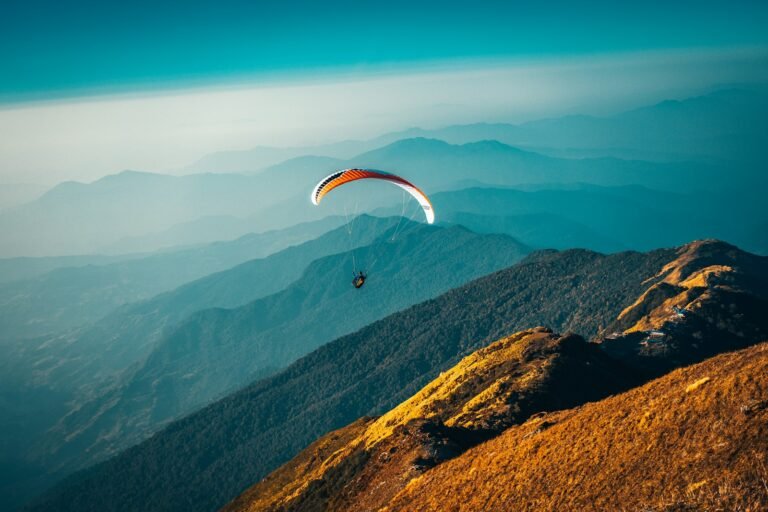
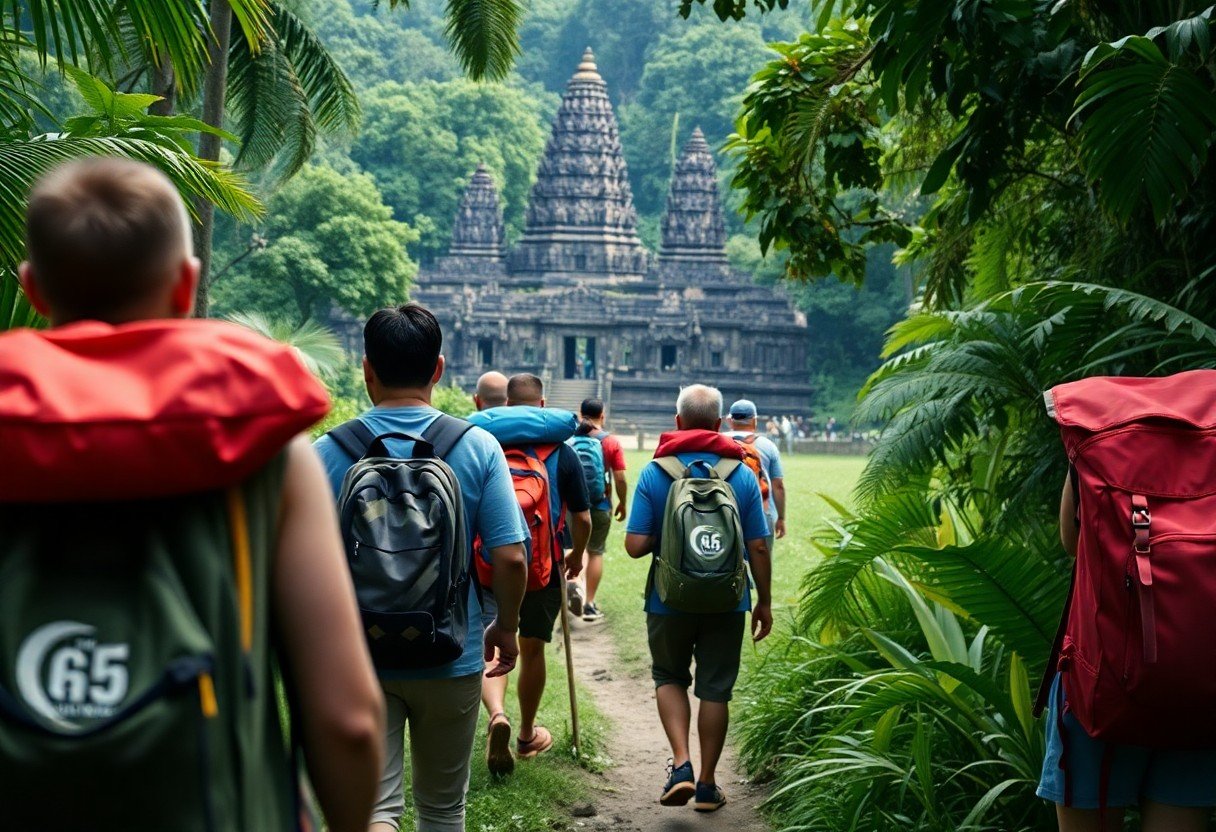
For those with a thirst for adventure, trekking in Southeast Asia presents unparalleled opportunities. Venturing through the enchanting landscapes of places like Northern Thailand or Vietnam’s Sapa, you’ll encounter breathtaking vistas, local villages, and diverse wildlife. Trails vary from easy to challenging, allowing you to pick one that suits your fitness level. Engage with local guides to not only navigate the paths but also learn about the rich history of the area.
Cultural Immersion
Immersing yourself in Southeast Asia’s vibrant cultures can be one of the most rewarding aspects of your backpacking trip. Participate in local festivals, taste traditional dishes, and explore ancient temples to gain insight into the unique customs of each region. Building connections with locals enhances your understanding and appreciation of their way of life.
Cultural immersion goes beyond superficial experiences; it’s about engaging deeply with the environment and its people. Take part in workshops like batik making in Indonesia or cooking classes in Thailand to learn authentic techniques. Living with a host family in a rural village allows you to experience daily life firsthand, creating lasting bonds that enrich your journey. The more you invest in interactions, the more authentic memories you will create.
Essential Tips for Backpacking Southeast Asia
Before stepping into your adventure, it’s vital to equip yourself with the right tips for a smooth journey. Start with a flexible itinerary, allowing room for spontaneous adventures, and always keep local currency handy for expenses. Familiarize yourself with regional customs to enhance your interactions with locals. Packing light will save you hassle when moving between destinations. Travel insurance is mandatory for unexpected situations. Perceiving these elements as guidelines will greatly improve your experience.
Budgeting and Cost-saving Strategies
When planning your trip, it’s helpful to establish a realistic budget for daily expenses. Street food and local markets are excellent choices for affordable meals, often costing less than a dollar. Utilizing regional transportation, like buses or trains, can significantly cut costs. Researching hostels or guesthouses in advance will help you secure budget-friendly accommodations. Being open to flexibility in your plans allows you to take advantage of discounts or promotions.
Safety Precautions and Health Considerations
Your safety is paramount while backpacking through Southeast Asia, and taking preventive measures is key. Prior to your trip, ensure you have all necessary vaccinations and carry vital medications. Always keep a first aid kit stocked with basics, and inform someone of your travel itinerary. Be wary of local scams and trust your instincts when navigating unfamiliar areas.
Health considerations cannot be overlooked. Ensure you stay hydrated, and drink only bottled or filtered water to avoid illnesses. Familiarize yourself with the local health care system and carry emergency contacts. In addition to vaccinations, consider preventive medications against malaria in certain areas. Using insect repellents and wearing long sleeves can help mitigate mosquito bites, which pose various health risks. Your proactive approach will empower you to fully enjoy the beauty of Southeast Asia without health-related interruptions.
Step-by-Step Planning
| Planning Element | Description |
|---|---|
| Budgeting | Determine your total travel budget, factoring in accommodation, food, transportation, and activities. |
| Travel Insurance | Secure comprehensive travel insurance that covers health, theft, and cancellations. |
| Visa Requirements | Research visa requirements for each country on your itinerary to ensure compliance. |
| Health Precautions | Review recommended vaccinations and medications required for Southeast Asia. |
Choosing Your Destinations
Select destinations based on your interests, such as cultural experiences, natural beauty, or adventure sports. Popular countries include Thailand for its beaches, Vietnam for history and food, and Laos for stunning landscapes. Limit your choices to avoid overwhelming travel schedules, and utilize resources like travel blogs and forums to discover hidden gems.
Creating an Itinerary
Your itinerary should balance exploration and relaxation, allowing time for unexpected adventures. Prioritize must-see attractions and allocate days for leisure in each destination. Flexibility is key-consider local festivals or seasonal events that might enrich your experience. Aim for a mix of popular sites and off-the-beaten-path locations for a comprehensive journey.
When creating an itinerary, start by outlining your trip duration and allocating specific days for each destination. For instance, if you have two weeks, spend about three days in major cities like Bangkok or Hanoi, and dedicate two or three days to smaller towns or islands. Adjust for travel times; a direct flight saves hours compared to long bus rides. Incorporate downtime for relaxation and spontaneity, allowing yourself to explore local markets or enjoy an impromptu class in cooking or traditional crafts.
Key Factors to Consider
When planning your backpacking adventure in Southeast Asia, several key factors will significantly influence your experience. Assess your budget, as costs can vary greatly between countries. Be mindful of travel safety, especially in remote areas. Consider your travel itinerary to optimize your time-balancing popular destinations with hidden gems can enhance your journey. Lastly, research local customs and cultural norms to ensure respectful interactions. Recognizing these factors will help you create a rewarding travel experience.
Seasonal Weather Patterns
Southeast Asia experiences diverse weather patterns that can impact your trip. The region typically has a monsoon season from May to October, when heavy rainfall can disrupt travel plans. Dry months, from November to April, are ideal for outdoor activities and sightseeing. However, some areas may experience humidity and high temperatures year-round, so packing appropriate clothing is necessary. Recognizing these patterns allows you to choose the best time for your adventure.
Transportation Options
Navigating Southeast Asia’s varied terrain requires familiarity with multiple transportation options. Buses and trains provide budget-friendly travel between cities, while domestic flights save time when covering long distances. For local commutes, consider tuk-tuks and motorbike rentals, which are widely available. In cities like Bangkok and Ho Chi Minh City, ride-sharing apps prove convenient as well. Recognizing each option’s advantages will help you maximize both time and budget during your travels.
When choosing transportation in Southeast Asia, the diversity of options caters to various needs and budgets. Buses usually connect smaller towns to major cities, while trains provide scenic routes in countries like Vietnam and Thailand. Flights are often economical and can be booked through budget airlines to cover vast distances quickly. Motorbikes are popular in tourist hotspots, allowing you to explore at your own pace. Always verify the safety and reliability of transport providers, especially local services. By understanding the available options, you’ll navigate the region with ease and confidence.
Pros and Cons of Backpacking Southeast Asia
| Pros | Cons |
|---|---|
| Incredibly diverse cultures and landscapes | Language barriers can pose challenges |
| Affordable travel and accommodation options | Some areas may be overcrowded with tourists |
| Rich culinary experiences at low costs | Variable quality of public transportation |
| Welcoming and friendly locals | Potential safety concerns in certain regions |
| Ease of meeting fellow travelers | Health risks from food and water hygiene |
| Vibrant nightlife and entertainment | Travel scams can affect your budget |
| Abundant outdoor adventures available | Weather conditions may hinder plans |
| Insightful historical sites and landmarks | Cultural differences may lead to misunderstandings |
| Opportunities for volunteering and meaningful experiences | Not all regions are well-developed for tourists |
| Variety of activities for different interests | Long travel times between destinations |
Advantages of Traveling Light
Packing light permits you to maneuver swiftly through bustling markets and crowded buses. It fosters a sense of freedom, allowing you to explore remote areas without restrictions. Reducing weight means less strain on your back, and you can easily adapt to varied climates with versatile clothing. Moreover, traveling light can save you money on bag fees and make it easier to find accommodations, particularly in hostels that often have limited storage space.
Challenges and Common Pitfalls
With the excitement of exploring new regions comes the risk of encountering various challenges. Poor planning can lead to missed opportunities, as transport schedules are often unpredictable. You may also face cultural misunderstandings, particularly when it comes to customs and local etiquette. Additionally, being mindful of health risks is vital; unfamiliar food and water can lead to illness. Keeping your belongings safe from theft is another critical aspect of navigating Southeast Asia.
While challenges are inevitable, you can mitigate many common pitfalls through preparation. Researching local customs and understanding basic phrases in the local language will enhance your interactions with locals. Always prioritize your safety by securing valuables and using reputable transportation options. Additionally, keep important medications on hand to avoid health issues. Cultivating flexibility will allow you to adapt to sudden changes in plans and make the most of your journey, ensuring that each experience adds to your adventure rather than detracting from it.
Must-Have Gear for Backpackers
Your choice of gear can significantly impact your backpacking experience. Focus on lightweight, versatile items that maximize functionality without weighing you down. Prioritize imperatives like a durable backpack, packing cubes for organization, a reliable water filter, and a first aid kit. Ultimately, investing in high-quality gear ensures you are prepared for the diverse environments you’ll encounter across Southeast Asia.
Clothing and Footwear
When packing clothing, opt for lightweight, moisture-wicking fabrics to keep you cool in the tropical climate. Bring versatile pieces that can be layered, such as a quick-dry shirt, lightweight pants, and a windbreaker. Durable footwear is also imperative; choose breathable, comfortable shoes or sandals that can handle long walks and wet conditions, making sure they provide good support for varied terrains.
Tech and Accessories
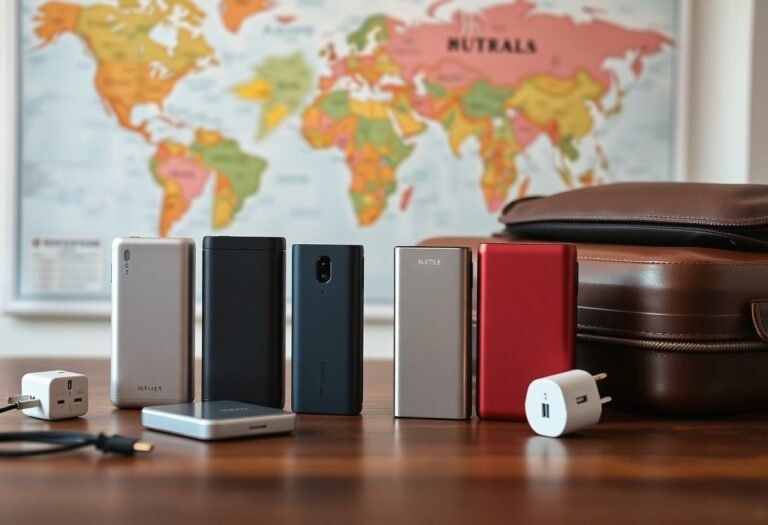
To stay connected and capture memories, a few tech items are indispensable. A compact power bank ensures your devices remain charged during long travel days, while a universal travel adapter keeps your electronics powered regardless of the country. A quality camera or smartphone with a good camera helps document your journey, so consider investing in one that performs well in low light.
In addition to the basics, consider bringing a portable Wi-Fi hotspot for reliable internet access, which can simplify navigation and communication. Noise-canceling headphones can transform your travel experience on long bus or train journeys. You might want to invest in a durable, waterproof phone case to protect your device from sudden downpours or accidental splashes while exploring. With the right tech and accessories, you can enhance your backpacking adventure and stay connected to home without hassle.
Final Words
Summing up, your journey through Southeast Asia promises unforgettable experiences and personal growth. You have the tools and insights needed to navigate diverse cultures, stunning landscapes, and vibrant communities. Embrace the adventure with flexibility and a spirit of discovery, ensuring each moment contributes to your travel narrative. Equip yourself with knowledge, respect local customs, and prioritize safety while enjoying everything this remarkable region has to offer. With the right preparation, you can make the most of your backpacking experience and create lasting memories on your travels.
FAQ
Q: What imperative items should I pack for backpacking in Southeast Asia?
A: Pack lightweight clothing suitable for hot and humid conditions, a good pair of hiking shoes, a compact first-aid kit, a reliable backpack, a refillable water bottle, travel-sized toiletries, a multi-tool, and any necessary electronics with appropriate chargers. Include a rain jacket and a portable power bank for convenience.
Q: How can I stay safe while traveling in Southeast Asia?
A: Stay aware of your surroundings, avoid displaying valuables, use reputable transportation options, and keep your belongings secure. Register with your country’s embassy if necessary, stay informed about local laws, and always have a backup copy of important documents. Use trusted accommodations and share your itinerary with someone you trust.
Q: What is the best time of year to backpack in Southeast Asia?
A: The ideal time to backpack in Southeast Asia is during the dry season, which typically spans from October to April, depending on the specific country. This period offers pleasant weather, fewer monsoons, and more opportunities for outdoor activities.
Q: How can I manage my budget while backpacking in Southeast Asia?
A: Set a daily budget based on your travel style, prioritize low-cost accommodations like hostels, eat at local markets, use public transport, and take advantage of free or low-cost attractions. Consider traveling during the off-peak season for better deals, and be flexible with your itinerary to find discounts.
Q: What cultural considerations should I be aware of when visiting Southeast Asia?
A: Respect local customs and traditions, dress modestly when visiting temples, learn a few basic phrases in the local language, and be mindful of any cultural sensitivities. Familiarize yourself with local etiquette, such as removing shoes before entering homes and temples, to enhance your travel experience.