Ultimate Guide to Backpacking Southeast Asia
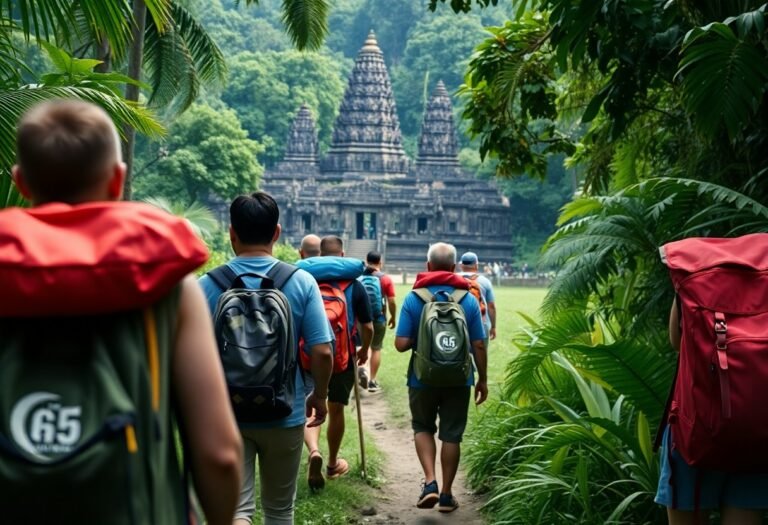
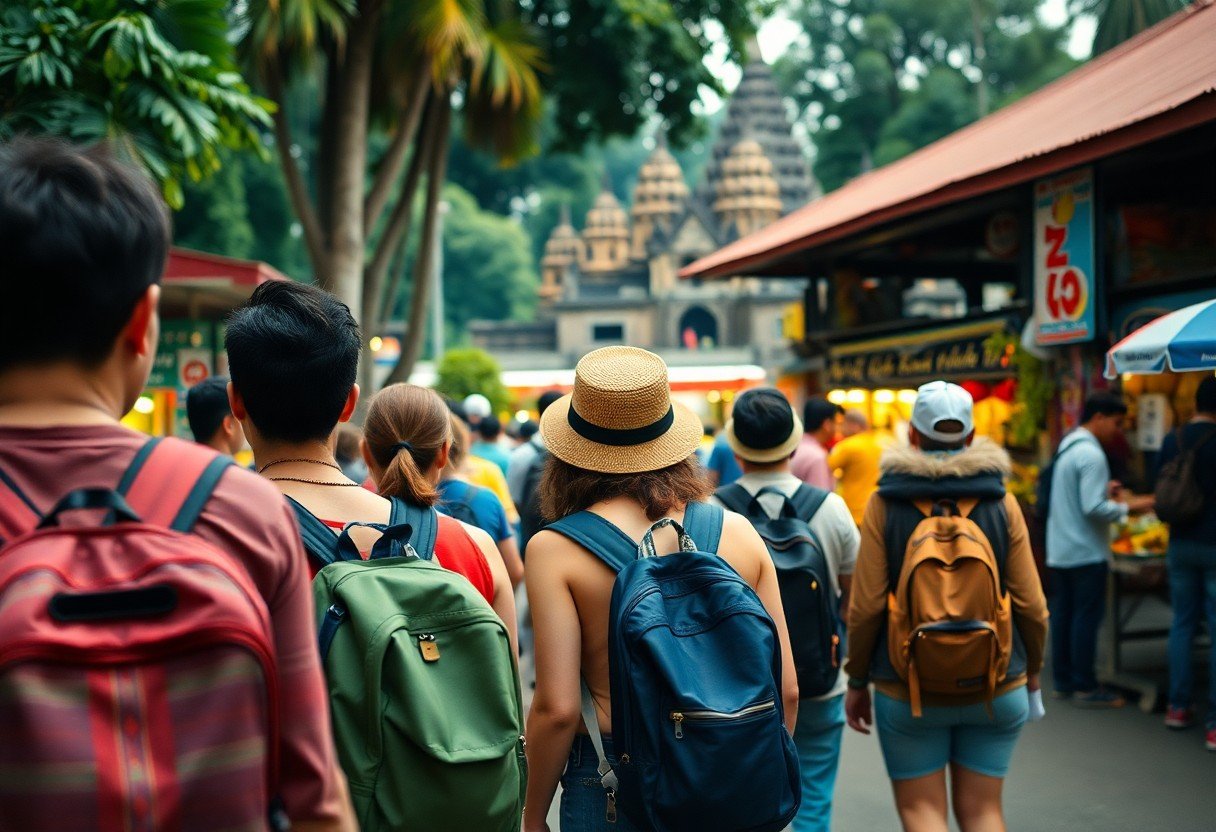
Over countless adventures, you will discover that backpacking Southeast Asia offers an unparalleled blend of vibrant cultures, tantalizing street food, and breathtaking landscapes. This guide equips you with imperative tips to navigate budget-friendly accommodations and transportation while ensuring your safety in bustling markets and remote areas. Enjoy the thrill of island hopping, exploring ancient temples, and engaging with diverse communities-all while being mindful of local customs and potential risks. Get ready to commence on a journey that will broaden your horizons and create lifelong memories!
Key Takeaways:
- Research visa requirements and travel regulations for each country to ensure smooth entry and stay.
- Pack lightweight and versatile clothing suitable for various climates and activities across Southeast Asia.
- Prioritize local transportation options like buses and trains to enhance cultural experiences and save costs.
Types of Backpacking in Southeast Asia
You can explore Southeast Asia through various backpacking styles, tailored to your preferences and budget. The main paths include Budget Backpacking, ideal for the frugal traveler, Adventure Backpacking, suited for thrill-seekers, and Cultural Backpacking, perfect for those wanting to immerse themselves in local traditions. Each style offers unique experiences, from wandering vibrant markets to conquering treks through dense jungles. Assume that your chosen method will define your journey and shape your memories.
| Type | Description |
|---|---|
| Budget Backpacking | Traveling with minimal expenses, using hostels, public transport, and street food. |
| Adventure Backpacking | Engaging in physically demanding activities like trekking, diving, or rock climbing. |
| Cultural Backpacking | Experiencing local customs, traditions, and cuisine. |
| Volunteer Backpacking | Combining travel with volunteer work for a meaningful experience. |
| Luxury Backpacking | Traveling with a higher budget, enjoying comfort while still exploring. |
Budget Backpacking
With Budget Backpacking, your focus is on making the most of your funds. You’ll rely on affordable accommodations like hostels or guesthouses, savor street food, and travel via buses or trains. Southeast Asia boasts a plethora of low-cost options, allowing you to stretch your dollar and explore regions like Vietnam or Thailand without breaking the bank.
Adventure Backpacking
Adventure Backpacking invites you to experience the thrill of the outdoors while traversing varied landscapes. Activities such as hiking in the Himalayas, diving in Thailand, or rock climbing in Vietnam provide heart-pumping excitement. You’ll discover breathtaking sceneries, challenging terrains, and opportunities for adrenaline-fueled escapades that push your limits and create lasting memories.
Engaging in Adventure Backpacking allows you to meet fellow travelers who share your excitement, fostering community and camaraderie. Whether you’re scaling mountains or kayaking alongside stunning coastlines, your experiences become stories worth sharing. The thrill of navigating national parks and uncharted territories adds a sense of discovery, making each moment unforgettable.
Cultural Backpacking
As a Cultural Backpacker, your journey centers around immersing yourself in local traditions and communities. This style often involves visiting historical sites, attending local festivals, and indulging in traditional cuisine. Southeast Asia’s rich tapestry of cultures, from the temples of Bali to the street markets of Bangkok, provides endless opportunities for deep engagement.
By participating in workshops, such as cooking classes or art sessions, you gain valuable insights into each locale’s heritage. Connecting with locals will enhance your understanding and appreciation of the intricate customs that shape their lives. Through these interactions, you not only witness culture but genuinely become part of it, enriching your travels in profound ways.
Essential Tips for Backpacking
Before you hit the trails in Southeast Asia, it’s vital to equip yourself with some important tips for a rewarding experience. Focus on flexibility in your plans, stay open to new experiences, and embrace the local culture. Budget wisely, ensure your gear is functional, and always maintain a sense of adventure. Travel light to enhance mobility, and remember to respect the local customs. This will significantly enrich your backpacking journey.
- Budget wisely
- Travel light
- Stay flexible
- Embrace local culture
Packing Essentials
Your packing list should prioritize lightweight and multifunctional items. Incorporate breathable clothing, sturdy footwear, and a compact first-aid kit. Don’t forget a reliable travel backpack that can withstand diverse environments. Essentials like a reusable water bottle, portable charger, and quick-dry towel will serve you well. Prioritize versatile clothing and important travel gear to maximize your comfort. This makes navigating various terrains and climates easier.
Safety Tips
Prioritize your safety by staying alert and aware of your surroundings. Avoid displaying valuables and be cautious when using ATMs, particularly in unfamiliar areas. Understanding the local customs can prevent misunderstandings and enhance your experience. Always trust your instincts and seek help if needed. Incorporate a basic understanding of the local language to navigate tricky situations. Stay alert to avoid potential hazards while traveling. Recognizing safe practices can significantly enhance your backpacking experience.
- Stay alert
- Trust your instincts
- Understand local customs
- Keep valuables hidden
Ensure you remain aware of your environment, especially in crowded places. Using a money belt can help keep your valuables safe, while avoiding negotiating prices after dark enhances your security. Stay informed about the common scams in the countries you’re visiting. Research local laws and practices to avoid conflicts. Recognizing these elements can lead to a safer and more enjoyable journey.
Networking with Other Travelers
Connecting with fellow travelers can enhance your trip in immeasurable ways. Utilize hostels, travel apps, and social media groups to meet others who share your passion for adventure. Group outings and shared experiences foster friendships and provide valuable insights into local attractions. Engaging with others can lead to unforgettable memories and helpful tips. This creates a sense of community and opens doors to new opportunities.
Networking effectively can provide you with a wealth of information, from hidden gems to travel hacks. Attend local meetups, join tours, or simply strike up conversations at cafes to establish lasting connections. Forming bonds can lead you to unique experiences that are often missed by solo travelers. Always be approachable and open to sharing your stories. Building these connections enriches your journey and often creates lifelong friendships.
Step-by-Step Guide to Planning Your Trip
| Step | Description |
| 1. Choose Your Destinations | Select key countries and cities based on interests and travel time. |
| 2. Create an Itinerary | Outline a day-to-day adventure balancing activities and relaxation. |
| 3. Book Accommodations | Find and reserve places that fit your budget and preferences. |
Choosing Your Destinations
Selecting destinations is vital; consider factors like culture, budget, and travel logistics. Popular stops include Thailand for its vibrant street food, Vietnam for stunning landscapes, and Indonesia’s beautiful islands. Prioritize locations that resonate with your interests, whether it’s adventure, relaxation, or history.
Creating an Itinerary
An effective itinerary acts as your roadmap, ensuring you maximize every moment. Consider the flow of travel to avoid backtracking; allocate time for exploration and unexpected discoveries. Integrating major attractions alongside hidden gems creates a balanced experience that reflects your personal style.
Break your itinerary into manageable segments, factoring in local travel times and rest periods. For instance, plan consistent blocks for sightseeing and downtime, allowing spontaneous moments to enrich your trip. Stay flexible; sometimes the best experiences arise from unplanned adventures.
Booking Accommodations
Research accommodations that offer proximity to public transport or major attractions to save time. Consider booking platforms that provide flexibility; many allow you to reserve without upfront payment, giving you the freedom to finalize your plans later. Look into options with kitchen facilities for potential cost savings on meals.
Factors to Consider Before You Go
Before you launch on your adventure, evaluate key factors that will influence your trip. These include your budget, travel style, and specific destinations. Understanding the local culture and regulations can enhance your experience and minimize challenges. Additionally, consider the language barrier and important travel documents. Assessing your physical fitness and readiness for various activities is also vital. Recognizing these aspects will ensure a smoother journey.
Weather and Seasons
The weather in Southeast Asia varies significantly by region and season, impacting your travel plans. The dry season is generally from November to February, making it ideal for exploration. In contrast, the wet season, typically from May to October, can bring heavy rains, especially in coastal areas. Always check the local climate before you depart to pack appropriately.
Local Customs and Etiquette
Respecting local customs is necessary for a fulfilling travel experience. Each country displays unique traditions, so familiarize yourself with them to avoid unintentional offenses. For instance, in Thailand, it’s considered disrespectful to touch someone’s head. Adapting to these practices enhances your journey and connects you with the local culture.
Familiarize yourself with the basics of social behavior, such as greeting with a bow in some cultures or the significance of removing your shoes before entering a home. Being mindful of dress codes, especially when visiting religious sites, also reflects your respect for local traditions. Understanding these nuances fosters positive interactions and enriches your travel experience.
Health and Safety Considerations
Prioritize your health and safety while backpacking. Consult with your doctor about necessary vaccinations and carry a first aid kit. Be aware of common ailments in the region, like food and waterborne illnesses. Research health facilities and know your insurance coverage. Always use reputable transport options to minimize risk.
Stay vigilant about your surroundings and avoid displaying valuables. It’s advisable to drink bottled water and be cautious with street food. Keep emergency contacts handy and ensure your vaccinations are up to date, especially for diseases common in tropical regions. Engaging with fellow travelers can also provide valuable tips on navigating health challenges effectively.
Pros and Cons of Backpacking Southeast Asia
| Pros | Cons |
|---|---|
| Affordable travel costs make it budget-friendly. | Overcrowding in popular destinations can diminish experiences. |
| Diverse cultures and rich histories to explore. | Language barriers may pose communication challenges. |
| Beautiful landscapes and varied climates. | Health risks and food safety concerns exist. |
| Connecting with other travelers is easy. | Transit times can be lengthy and unpredictable. |
| Wide range of activities to suit different interests. | Cultural misunderstandings can occur. |
| Convenient backpacker infrastructure. | Issues with petty crime in some areas. |
| Unique street food experiences. | Unregulated accommodations may lower safety standards. |
| Access to stunning beaches and nature. | Environmental concerns due to tourism. |
| Potential for spontaneous adventures and experiences. | Travel restrictions can change unexpectedly. |
| Cultural festivals provide immersive experiences. | Infrastructure in rural areas can be lacking. |
Advantages of Backpacking
Backpacking through Southeast Asia offers you a myriad of advantages, such as low travel costs where you can find hostel stays for as little as $5 per night. The region is a melting pot of cultures, so you can immerse yourself in diverse traditions, cuisines, and languages, enriching your travel experience. Natural wonders like rice terraces in Vietnam and pristine beaches in Thailand await you, and the well-developed infrastructure makes it easy to navigate between countries, ensuring you make the most of your journey.
Disadvantages and Challenges
Despite the allure, there are notable challenges associated with backpacking in Southeast Asia. You may face potential health risks, such as foodborne illnesses or mosquito-borne diseases, so staying vigilant is imperative. Additionally, the influx of tourists can lead to overcrowded hotspots, detracting from the charm of the places you wish to visit. Language barriers might hinder communication with locals, making it difficult to navigate or seek assistance when needed.
Traveling through Southeast Asia requires you to remain adaptable and resourceful. For instance, while transit times are often longer than anticipated, incorporating buffer time in your itinerary can alleviate the stress of missed connections. In addition, it’s vital to research the safety of neighborhoods before booking accommodations, as some areas may experience higher crime rates. By understanding these challenges, you can better prepare and ensure your journey remains enjoyable and enriching.
Conclusion
The journey through Southeast Asia offers unique experiences that enrich your travel adventures. By applying the insights from this guide, you can navigate the region’s diverse cultures, landscapes, and cuisines with confidence. Use your planning and flexibility to explore popular destinations and hidden gems alike. Embrace the local customs, connect with fellow travelers, and savor every moment. This guide equips you with the knowledge needed for an unforgettable backpacking experience, allowing you to create lasting memories on your Southeast Asia adventure.
FAQ
Q: What are the best countries to visit in Southeast Asia for backpacking?
A: The best countries for backpacking in Southeast Asia include Thailand, Vietnam, Cambodia, Laos, and Malaysia. Each offers unique landscapes, cultures, and experiences, making them popular among backpackers.
Q: What is the typical budget for backpacking in Southeast Asia?
A: A daily budget for backpacking in Southeast Asia can range from $20 to $50, depending on accommodation, food choices, and activities. Traveling in less touristy areas may help stretch your budget further.
Q: How should I plan my itinerary for backpacking in this region?
A: Start by selecting key countries and major cities or attractions you wish to visit. Allocate more time in places you find interesting, and consider transportation options between destinations for a smooth travel experience.
Q: What are common safety tips for backpacking in Southeast Asia?
A: Common safety tips include keeping your belongings secure, avoiding unlit areas at night, staying aware of local customs, and using reputable transport services. It’s also wise to have travel insurance for emergencies.
Q: What type of gear should I pack for backpacking in Southeast Asia?
A: Essentials include a lightweight backpack, breathable clothing, sturdy footwear, a reusable water bottle, and a first-aid kit. Include a power bank, travel towel, and a waterproof jacket according to the season.